



Blog
CISCE vs CBSE: Which Board Is Right
CISCE vs CBSE: Which Board Is Right for Your Child?
CBSE vs CISCE – It might be a complex affair for many parents. Both are good boards, but they differ in the way they structure subjects, assess students, and approach classroom learning. A perfect fit for one youngster is not a perfect fit for another. So rather than asking what board is best, it makes more sense to look at your child’s hobbies, learning patterns, and future aspirations. This comparison looks at practical differences to help parents choose more wisely.
CISCE vs CBSE at a Glance
|
Parameter |
CISCE |
CBSE |
|
Governing body |
CISCE |
CBSE |
|
Class 10 examination |
ICSE |
CBSE |
|
Class 12 examination |
ISC |
CBSE |
|
Curriculum approach |
Broad and detailed |
Structured and focused |
|
Assessment |
Examinations + internal assessment/project work |
Examinations + school-based assessment |
|
Subject flexibility |
Wide range of subjects |
Structured subject combinations |
|
School availability |
Fewer schools comparatively |
Very widely available |
Curriculum Depth and Learning Style: How Do They Differ?
When we talk about which board is superior, we are not really considering how a child learns. CISCE generally gives students a broader exposure to subjects and spends more time on language, written expression, specific concepts, projects, and practical practice. This can suit children who enjoy reading, investigating concepts, and learning via different forms of activity.
However, CBSE has a more regimented curriculum focusing on essential courses. Its ubiquity can also make it easier for families to switch schools when moving between cities. Another aspect that parents might wish to consider is the CBSE’s alignment with NCERT-based preparation for children aspiring to take national-level admission exams.
Learning Experience Parents Should Consider
|
Factor |
CISCE |
CBSE |
|
Curriculum breadth |
Generally broader |
More structured |
|
Language emphasis |
Strong |
Strong, with a more standardised structure |
|
Projects/practicals |
Significant |
Included through curriculum and assessment |
|
Learning approach |
Detailed and application-oriented |
Structured and concept-focused |
|
Subject exposure |
Diverse |
Streamlined around selected combinations |
Competitive Exams, Higher Education and Future Plans
The choice between CISCE and CBSE can also rely on what the child wants to do after school. Parents looking for JEE, NEET, or other national-level admission exams sometimes check how well the school curriculum is aligned with their preparation. That transition can be eased by CBSE’s link with the NCERT system.
CISCE students can prepare for these tests too, although they might have to juggle classroom content together with entrance-oriented material. Overseas schooling, more subject experience, good English skills, research and project work may be advantageous. But the board is only a part of the story. A child’s ability, preparation, and school assistance are just as important.
Which Board Matches Your Child's Learning Needs?
Different children learn in different ways; thus, the same board may not be appropriate for everyone. CISCE can be a good fit for those who are interested in reading, writing, detailed concepts, projects, and learning a larger range of subjects.
The CBSE, with its more structured curriculum, may be good for children who want a clearer academic route or for families who may move around India. But these are merely general considerations. As children develop, their interests also vary, and the quality of teaching and school atmosphere can make as much difference as the board itself.
Parents’ School-Selection Checklist
|
What to Check |
Why It Matters |
|
Teachers |
Quality of everyday instruction |
|
Class size |
Scope for individual attention |
|
Labs & practical learning |
Application of concepts |
|
Technology |
Digital and future-oriented learning |
|
Sports & activities |
Physical and creative development |
|
Counselling |
Emotional and social support |
|
Senior-school subjects |
Alignment with future interests |
|
Parent communication |
Better academic support at home |
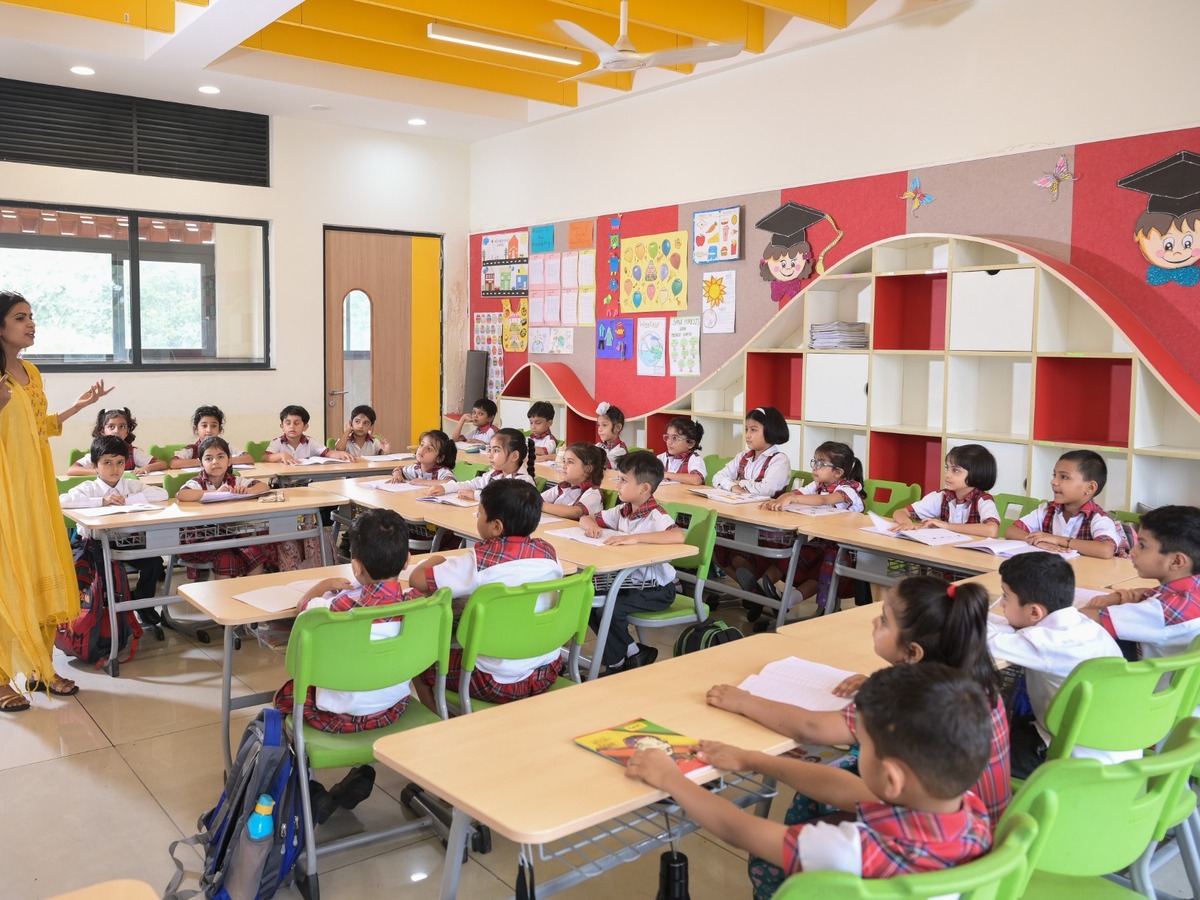
Salient Factors: Why the Learning Environment Matters at Graphic Era Global School
- Follows the CISCE curriculum
- ICSE for Grades 1–10 and ISC for Grades 11–12
- Experiential learning
- 30+ smart classrooms
- STEM and technology-focused learning
- Robotics and coding
- Science laboratories
- Library with 20,000+ books
- Sports and co-curricular activities
- Clubs
- Social-emotional and personal education
- Counselling and mentorship
- Focus on critical thinking, collaboration, and leadership.
Closing Remarks
When parents compare CISCE versus CBSE, it is not really about choosing a uniformly better board. What counts is how well a board fits a child's learning style, academic interests, future ambitions, and topic preferences. Graphic Era Global School offers ICSE and ISC academics with experiential learning, technology, STEM, sports, creative activities, and student development. It will allow parents to make a better school decision by comprehending its academic structure and learning environment.
RELATED Blogs




 Phone
Phone Email
Email


